To sell your vintage watch in Switzerland, send us clear photographs together with the brand, model, reference number, condition, service history and any available box or papers. We can often make an initial assessment from this information. A final purchase offer is made after we inspect the actual watch and confirm its condition, originality and technical state. Each vintage watch is reviewed individually. For background on the national industry, see the Federation of the Swiss Watch Industry.
At ChronoScope, we buy selected vintage, neo-vintage and collector watches from private owners in Switzerland and abroad. Our goal is to make the process clear, discreet and straightforward. You deal directly with a specialist vintage-watch business in Lucerne, without having to create listings, negotiate with unknown buyers or organise the final resale yourself.
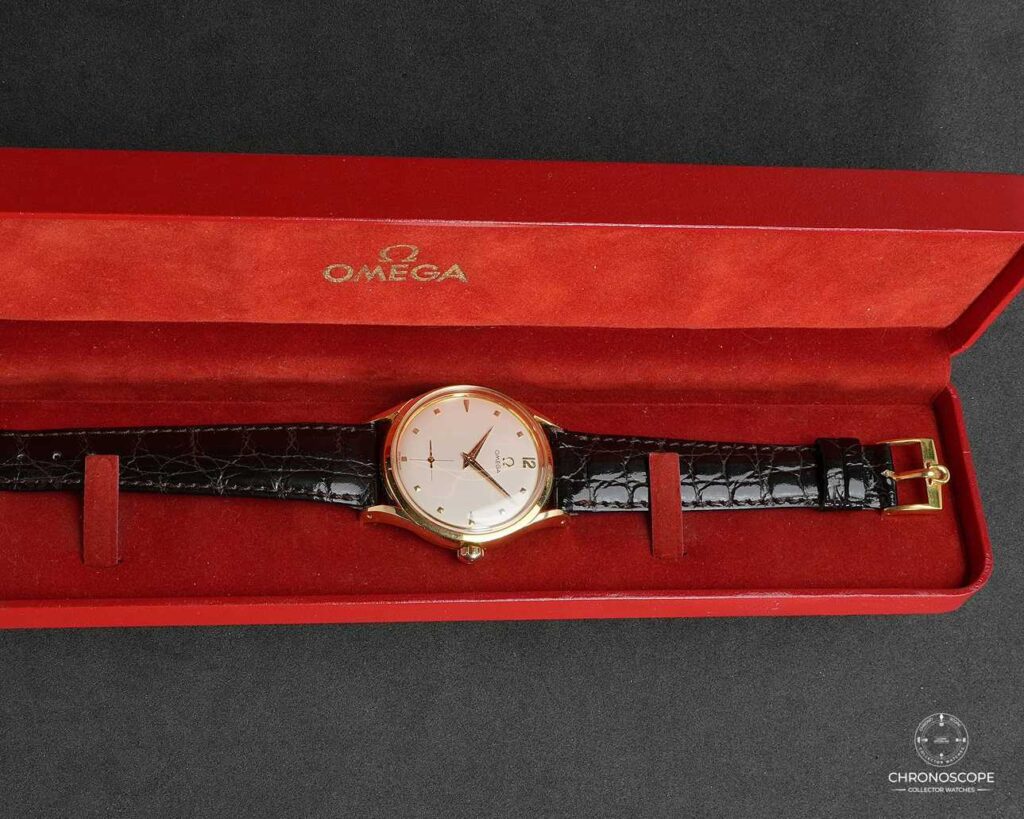
We are interested in selected vintage, neo-vintage and collector watches from established manufacturers.
Depending on the reference, originality and condition, this may include watches from brands such as:
You can view examples of the brands, periods and watch styles we handle in our current watch collection. If you would like to see examples of watches that have already found new homes, take a look at our sold-watch archive.
We also consider unusual chronographs, military watches, stone-dial watches, limited-production references and interesting watches from smaller historic manufacturers.
Not every watch will be suitable for our collection. That does not necessarily mean that it is a poor watch. It may simply fall outside the models, brands or periods we currently handle.
The easiest way to find out is to send us the watch details and photographs. We will review the information and tell you whether we would like to inspect it more closely.
The more accurate the information is, the better our first assessment can be.
Please include as many of the following details as possible:
Do not worry if you do not know every detail. Many vintage watches have changed owners several times, and it is normal for some information or documentation to be missing.
We can still assess a watch without the original box or papers. However, these items may affect its value, particularly when complete sets are commonly available for the same reference.
The most important thing is to describe the watch honestly. Scratches, an older service, a replacement crystal or a missing box do not automatically prevent us from buying it.
Hidden damage and incorrect information create much more difficulty than normal signs of age.
Contact us first so that the shipping, tracking, packaging and insurance arrangements can be agreed correctly.

Clear photographs are essential for the first assessment.
Please send:
Natural daylight or soft indoor light usually gives the best result.
Avoid strong filters, artificial sharpening or photographs taken from too far away. We need to see the real condition of the dial, case, bezel and bracelet.
You do not need professional photography. Clear smartphone photographs are usually enough for the first review.
Do not open the watch yourself just to photograph the movement. The wrong tool can scratch the caseback, damage the seals or leave marks around the opening points.
When you already have a movement photograph from a previous service or watchmaker, you may include it.
We do not value a watch only by looking at the brand name or comparing it with the highest price found online.
Two watches with the same model name can have very different values.
We consider the exact reference, originality, condition, movement, rarity, accessories, service requirements and current market demand.
The exact reference is one of the first things we check.
Within the same model family, there may be several versions with different:
Small differences can have a major effect on collector interest.
A rare dial variation may be worth more than a common version. A watch from a short production period may attract stronger demand. A later service configuration may be valued differently from an original early example.
Rarity alone is not enough. A watch must also have an active market. Some very uncommon watches remain difficult to sell because few buyers are searching for them.
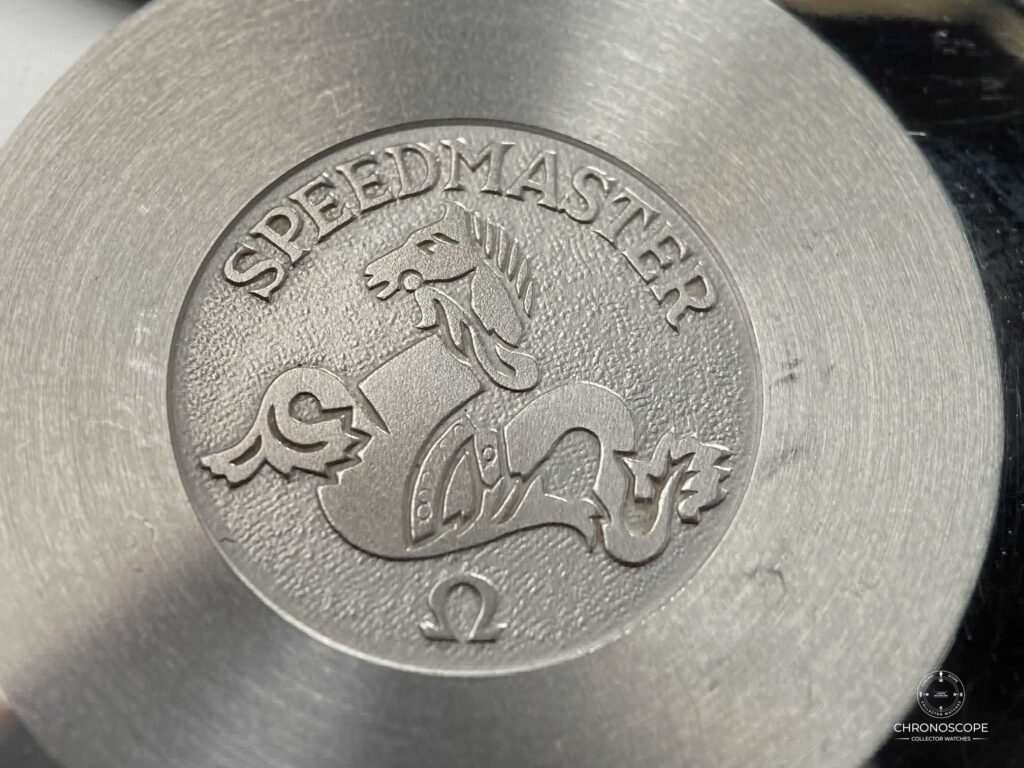
Originality is one of the most important parts of our assessment.
We examine the relationship between:
Replacement parts are not always a problem.
Many vintage watches have received a new crown, crystal, gasket or other service component during their lifetime. These changes may improve reliability and everyday usability.
What matters is that the parts are identified correctly and described honestly.
A later service dial, for example, may be completely genuine and supplied by the manufacturer. It is still different from the dial originally fitted when the watch was sold.
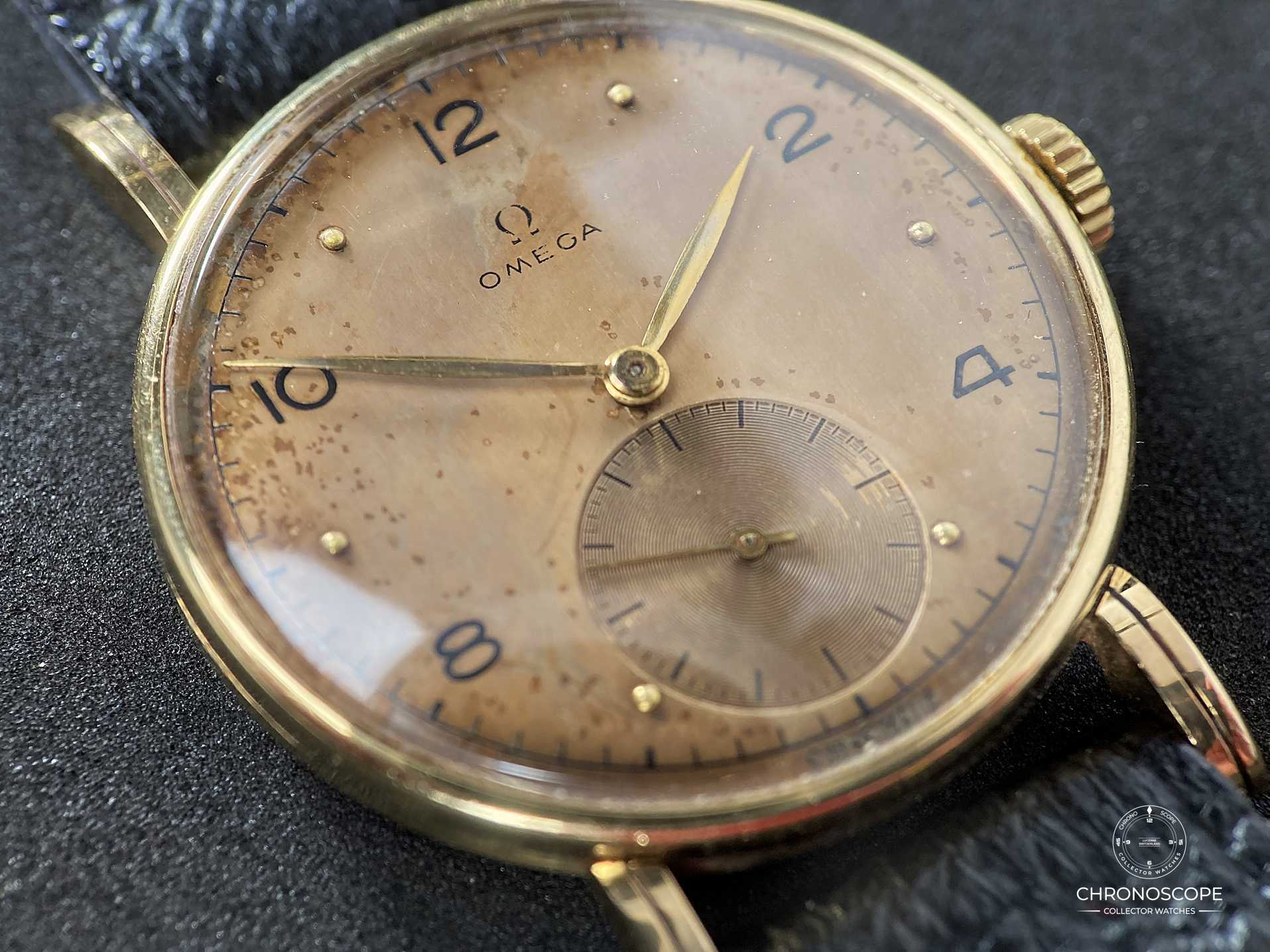
A refinished dial may look clean and attractive, but it will normally be valued differently from an original dial with natural ageing.
The dial is often the most visually important part of a vintage watch.
We look at:
A watch does not need a perfect dial to be desirable.
Natural ageing, warm lume or an attractive change in colour can add character. However, damage should not automatically be described as patina.
Heavy moisture damage, corrosion, missing lacquer or an incorrectly refinished surface can significantly affect the value.
We inspect the shape, edges and finishing of the case.
Normal scratches and wear are expected on a vintage watch. In many situations, honest wear is preferable to heavy polishing.
Polishing removes metal. Once the original edges, bevels and surfaces have been softened, they cannot be restored completely.
This is especially important for watches with:
A polished watch is not automatically rejected. The amount and quality of the work simply need to be included in the valuation.
A watch that is running is not necessarily in good mechanical condition.
We may check:
A recent documented service can be useful. It shows what work was completed and who performed it.
A watch that needs service or repair may still be suitable for us. The expected cost and availability of parts will be included in our assessment.

A watch does not need to be a full set for us to consider it.
Many genuine vintage watches no longer have their original packaging or documents.
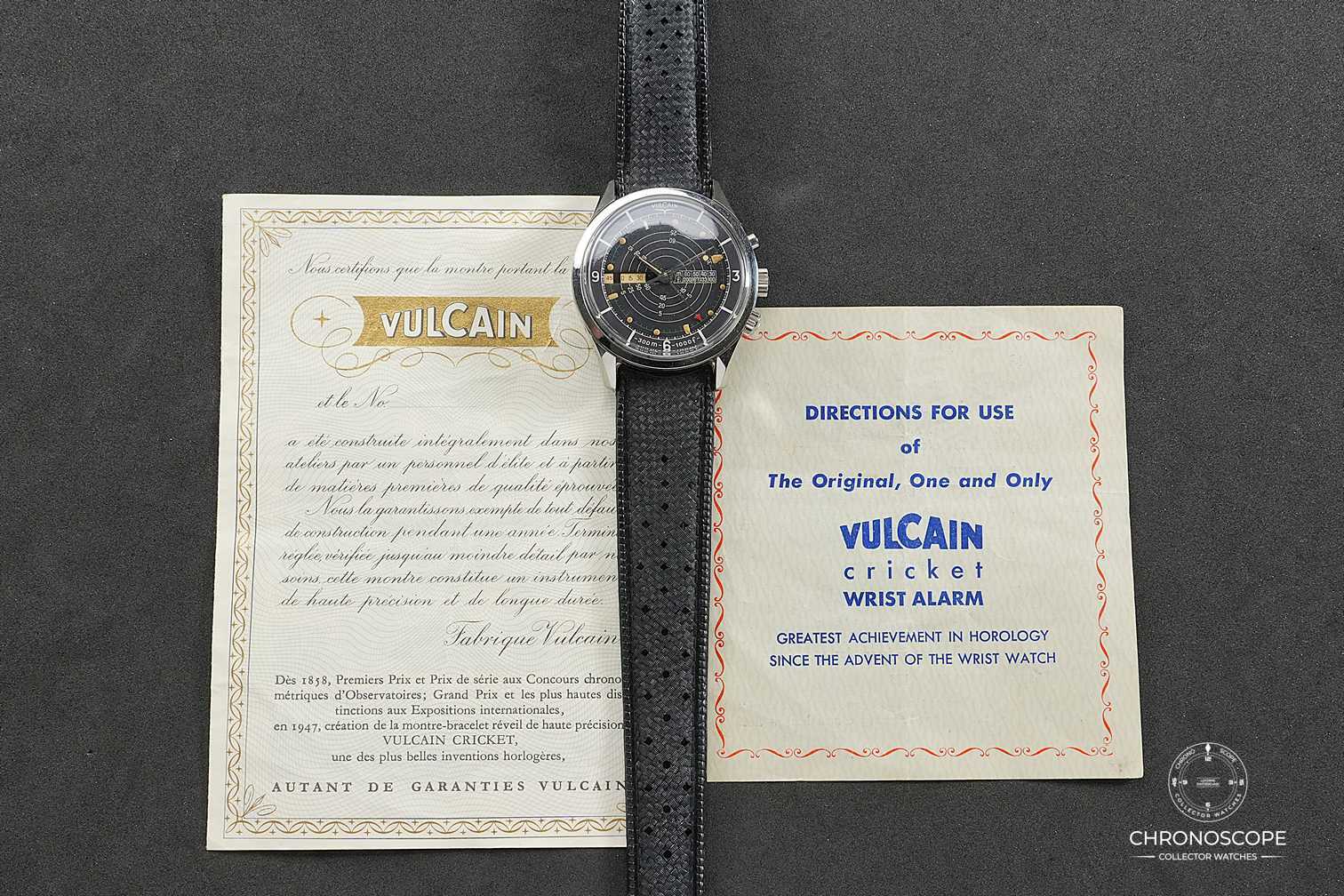
Available accessories can still make the watch easier to document and may improve its market value.
These may include:
Box and papers do not compensate for a poor or heavily altered watch. Condition and originality remain more important.
When two examples are otherwise similar, the more complete watch may be easier to sell and more attractive to collectors.
Selling your vintage watch to ChronoScope begins with a simple enquiry.
Use our Sell Your Watch page to send us the main information and clear photographs.
Include the brand, model, reference, condition and any known service history. Tell us whether the original box, papers, bracelet or other accessories are available.
You do not need to prepare a professional description. Basic, accurate information is enough for the first review.
We examine the photographs and details to determine whether the watch may be suitable for the ChronoScope collection.
At this stage, we look at the likely reference, apparent condition, originality and current interest in the model.
We may ask you for additional photographs or information when an important detail is not visible.
When the watch is of interest, we agree on the next step with you.
Depending on your location and the watch, this may involve a personal handover or an agreed insured shipping process.
Do not send the watch before the delivery and insurance arrangements have been confirmed with us.
The first assessment is based on photographs. The final valuation depends on the actual watch.
During the inspection, we may check:
Some details cannot be judged reliably from photographs. Colour, polishing, movement condition, replacement parts and previous restoration often become clearer during physical inspection.
After the inspection, we make a purchase offer based on the confirmed condition, originality, technical state and current market.
The offer also considers any service, repair, insurance or preparation that may be required before the watch can be offered again.
There is no obligation to accept our offer.
When you accept the offer, we confirm the handover and payment arrangements with you.
The agreed process is completed directly and clearly, without the uncertainty of negotiating with unknown private buyers.

Selling a valuable watch privately can require considerable time and effort.
You may need to manage:
You may also receive unrealistic offers, suspicious messages or requests to send the watch before payment is secure.
When you sell directly to ChronoScope, you deal with a specialist vintage-watch business in Lucerne.
We inspect the watch, make a clear offer and handle the work required for its future sale.
This includes areas such as:
Our purchase offer will normally be below the price at which the watch may later be offered for sale.
The difference is not simply profit. It also covers service costs, insurance, taxes, photography, storage, payment fees, warranty risk and the time required to find the right buyer.
There is no single selling method that is right for every watch.
The best option depends on the reference, expected price, time available and how much responsibility you want to manage yourself.
This is generally the simplest option.
You receive a direct offer after the watch has been assessed. The dealer handles the later preparation and resale.
This option may suit you when you value:
A private sale may achieve a higher gross amount, but you manage the entire transaction yourself.
This includes:
A higher advertised price does not always mean a better final result.
Costs, risk, time and unsuccessful negotiations should also be considered.
An auction may be suitable for a rare watch with strong international demand.
Before choosing this route, check:
Auction estimates are not guaranteed sale prices. The final result depends on the bidders present on the day.
Usually, it is better to contact us first.
A professional service may be useful when a watch has a known technical issue. However, the cost of the service may not increase the value by the same amount.
There is also a risk that original parts are replaced unnecessarily.
Before arranging work, ask us whether we would prefer to inspect the watch in its current state.
For a rare vintage watch, avoid unnecessary cosmetic work such as:
If original parts were removed during an earlier service, include them with the watch when possible.

The highest price found online is not necessarily the real market value.
Some watches remain advertised for months or years because the price is unrealistic.
An online listing may also differ from your watch in:
We look at the complete watch and current market demand, not only the highest visible asking price.
A freshly polished watch may look cleaner, but polishing can remove original edges and surfaces.
On some collector watches, heavy polishing can reduce desirability more than normal scratches.
Do not polish the case or bracelet before asking us for an assessment.
An old crown, faded bezel or worn set of hands may still be important to the watch.
Replacing them may improve appearance or usability, but reduce originality.
Do not discard original parts that were removed during servicing.
Please tell us about any known faults.
Examples include:
A problem does not necessarily prevent us from buying the watch. It simply needs to be included in the valuation.
Do not send a valuable watch before the process has been confirmed with us.
Standard parcel insurance may not cover watches or jewelry at their full value.
Contact us first so that the shipping, tracking, packaging and insurance arrangements can be agreed correctly.
Do not publish full serial numbers in public listings or forums.
Serial details, purchase documents and personal information should be shared through direct and trusted communication.
When sending photographs, you may hide part of the serial number if you are concerned about sharing it during the first enquiry.
For shipping, keep:
For a personal handover, use a secure business location.
Yes.
Many genuine vintage watches no longer have their original box or papers.
We can assess the watch through its reference, construction, movement, condition and originality.
Original documentation may improve value and make the history easier to confirm, but it is not required for every watch.
Yes.
We also consider watches that need service or repair.
The technical condition, estimated work and availability of parts will be included in our valuation.
Please tell us about any known problem when submitting the watch.
Yes.
We can review watch enquiries from other parts of Switzerland and from international owners.
The next step depends on the watch, your location and the available handover or insured shipping options.
Send us the details first. We will then discuss the appropriate process with you.
No.
Photographs and written information allow us to make an initial assessment, but the final purchase offer depends on inspecting the actual watch.
Important details such as case polishing, movement condition, replacement parts, moisture damage and dial restoration are not always visible in photographs.
The time required depends on the watch and the information provided.
A complete enquiry with clear photographs can be reviewed more efficiently than a message containing only a model name.
Physical inspection may take longer when movement checks, reference research or additional verification are needed.
Our priority is to make a fair assessment based on the actual watch rather than giving an immediate figure without enough information.
We consider:
A final valuation normally requires physical inspection.
Selling directly to a specialist dealer is usually the simplest option. You avoid public listings, repeated negotiations, unknown buyers and much of the payment and shipping risk.
No. We buy and assess many vintage watches without their original box or documents. Complete accessories may improve value, but condition and originality remain more important.
We can often make an initial assessment from clear photographs and accurate information. A final purchase offer requires inspection of the actual watch.
Usually, contact us first. A service may not increase the value by its full cost, and original parts may be replaced unnecessarily.
No. Polishing may remove the original case lines and reduce collector interest. We prefer to inspect the watch in its current condition.
Possibly. A non-running watch may still be interesting, depending on the model, originality, movement and expected repair cost.
We can review enquiries from international owners. Handover, insured shipping and payment arrangements must be agreed before the watch is sent.
Not necessarily. An asking price does not prove that a watch has sold. The real value depends on the exact reference, condition, originality, accessories and current demand.
The final offer is made after inspection. You decide whether you want to accept it. There is no obligation to proceed.
We confirm the handover and payment arrangements directly with you and complete the transaction using the agreed method.
ChronoScope buys selected vintage, neo-vintage and collector watches from private owners in Switzerland and abroad.
Send us clear photographs and the main details of your watch, including:
We will review the information and contact you about the next step.
I personally help collectors source specific vintage and rare watches.
Send me your request and I’ll get in touch with you directly.

Our business is built on your trust. We guarantee all our timepiece are authentic and as described / pictured or you will receive a full refund.
We guarantee the functionality of our watches. Please refer to the guarantee period stated in each product description. All guarantees are subject to the General Terms and Conditions (GTC)
Excluded from the warranty for defects are the accuracy, waterproof / water resistance, wear of the wristband and general wear and tear, scratches on the wristband or case, and damage to the glass / crystal.
CHRONOSCOPE is not liable for defects to the products caused by improper handling by the buyer or any third parties, as well as for general wear and tear.
The warranty for defects is null and void if the customer or a third-party attempt to repair the products themselves, unless prior specific written agreements have been made with CHRONOSCOPE
The compensation for the violation of contractual obligations by CHRONOSCOPE is limited to the amount paid by the buyer.
Due to the nature of vintage timepieces, all watches are sold as is. We will accurately describe the current condition and working order of all watches we sell to the best of our ability. Given that vintage watches are antique collector items, we do not provide any guarantee on movement accuracy, water-proofing or any other mechanical guarantee unless it is mentioned in the product description.
We check all watches when listing the watch for sales, and again before shipping. In rare cases, shipping can cause the movement problems. Therfore, please check all functions of the watch upon receipt. Should you find any issues, please notifiy us by email without dealy.
In the unlikely case you should not be satisfied with the watch you receive, contact us and we will work towards finding a solution.
We always looking for interesting vintage and contemporary watches and offer fair values. Please send us some pictures & a discription of what you have, and we will be glad to come back to you with an offer.
If you buy a watch from us, we can also offer a trade-in option.
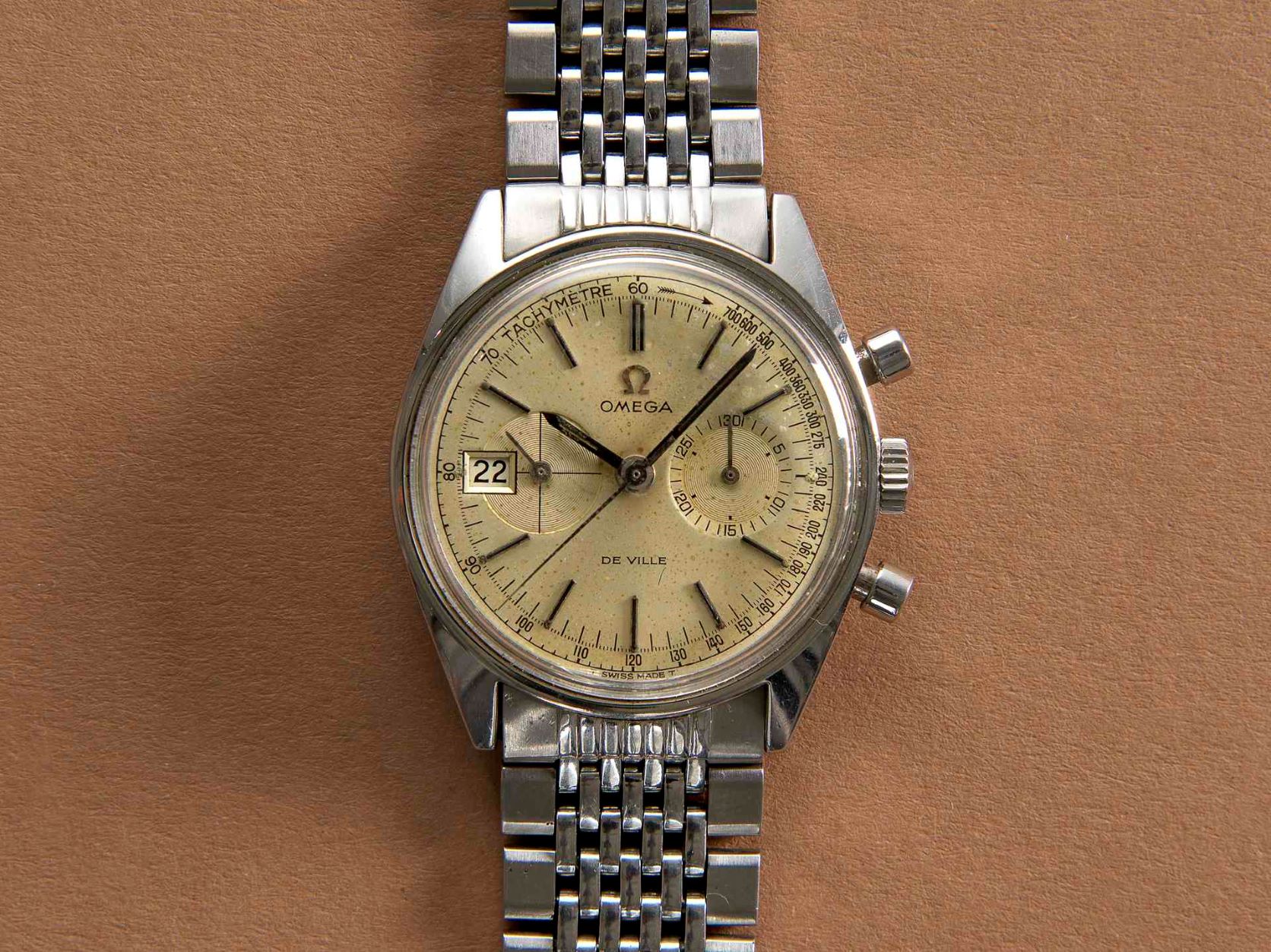
Swiss Vintage Chronographs, for example Omega, Longines, Breitling, Heuer, Leonidas, Angelus, Excelsior Park, Zenith, Wakmann, Wittnauer but also other lesser known Swiss brands.
Swiss Vintage Watches: for example dives watches of various brands, but also dress watches in steel or gold
Contemporary Swiss Watches such as Rolex, Tudor, Omega, Zenith etc.
Quartz watches only from Rolex, Tudor, Omega, Patek Philippe, Audemars Piquet, IWC Vacheron Constatin and other High-End Swiss brands
Digital watches, only from Omega, Girard Perregaux and a few other High-End Swiss Brands
Ladies watches
Pocket watches
Japanese watches (not that they are not good, but i dont have much knowledge there)
Quartz & watches
We need pictures and a brief description of the watches that you intend to sell
Your price expectation, if you already have any
Send us your information by email to info@chrono-scope.ch
We will be on summer holiday from July 22 to August 12. During this period, our availability will be limited and responses may take longer than usual.
Thank you for your understanding!
Wir garantieren die Echtheit und die Funktion der Uhr *
Sollte die Uhr nicht wie beschrieben und abgebildet sein, haben Sie das Recht, sie an uns zurückzusenden und wir erstatten Ihnen den vollen Betrag zurück *.
Wir bieten sichere Transaktion und Versand begrenzt auf den Betrag vom Käufer bezahlt.
* Bitte beachten Sie die Garantie- und Rückgabebedingungen sowie die Allgemeinen Geschäftsbedingungen.