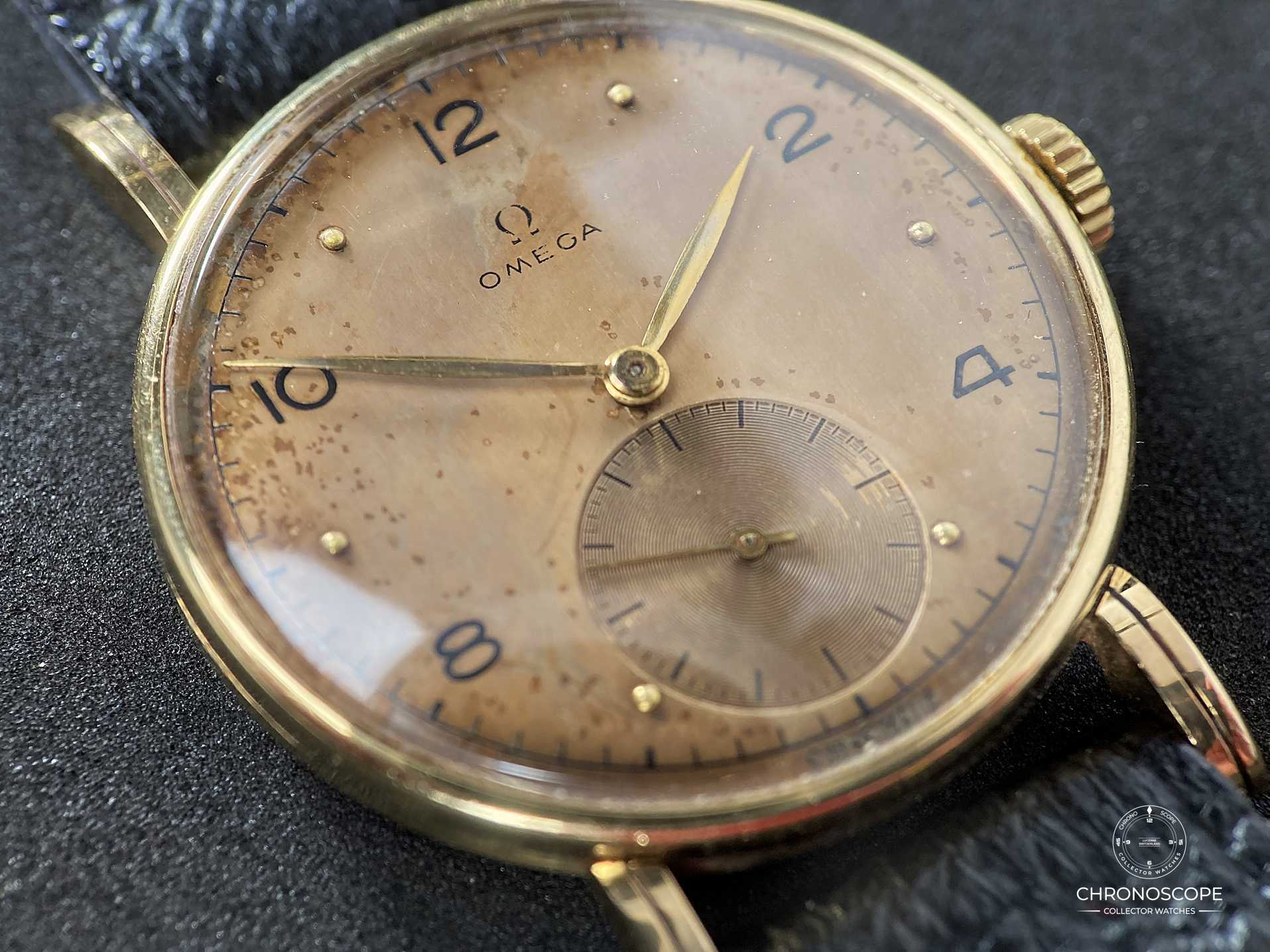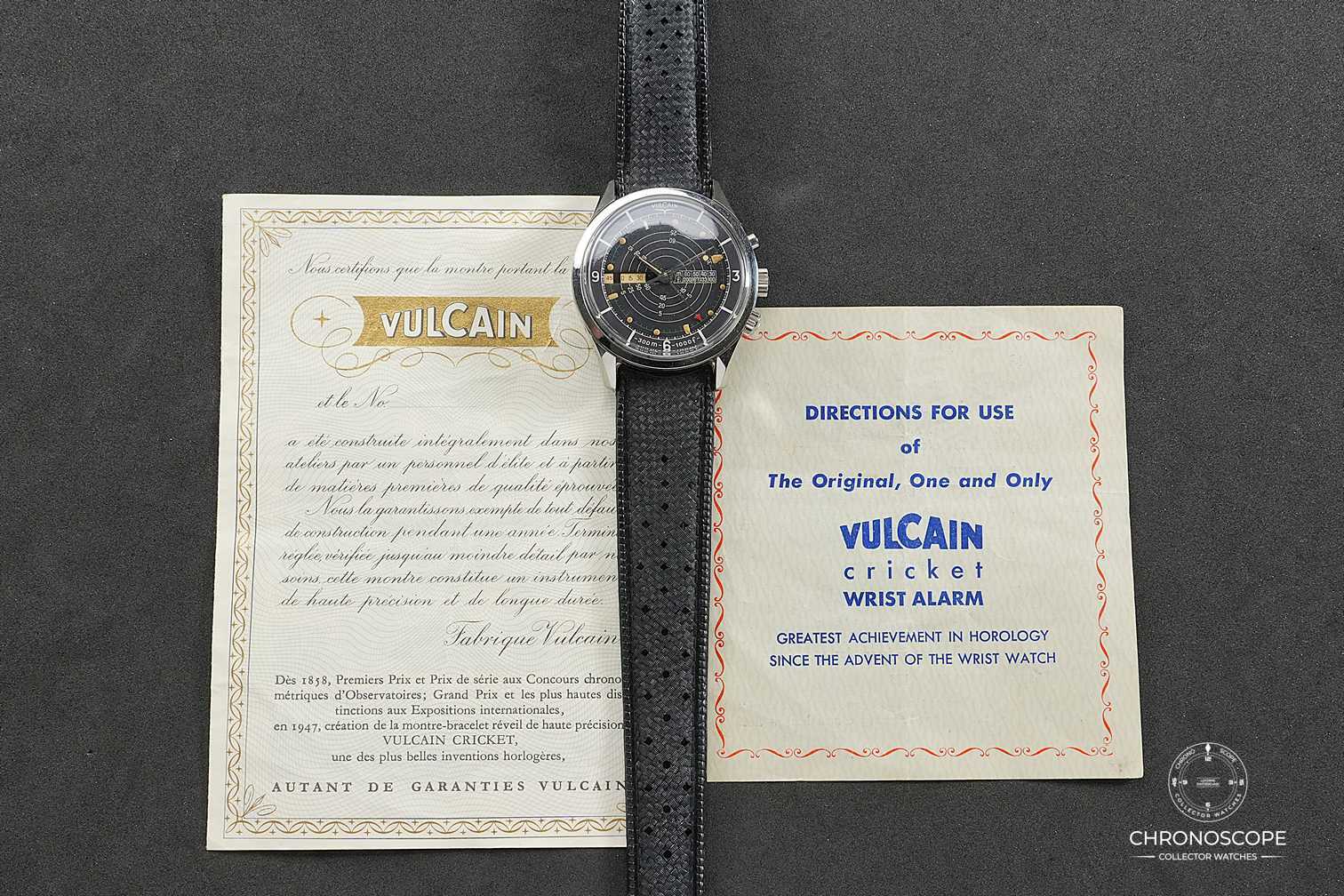

The price of a vintage Rolex has increased steadily over the past decade. In 2026, collector demand remains strong despite wider market fluctuations. So what explains this resilience?
First, supply is fixed. Rolex no longer produces older references, and well-preserved examples become harder to find each year. As a result, scarcity naturally supports value.
Second, global demand has expanded. Collectors from Europe, Asia, and the United States continue to compete for iconic references such as early Submariner, GMT-Master, and Datejust models. In addition, growing awareness of dial variations and rare configurations has pushed certain pieces into niche collector categories.
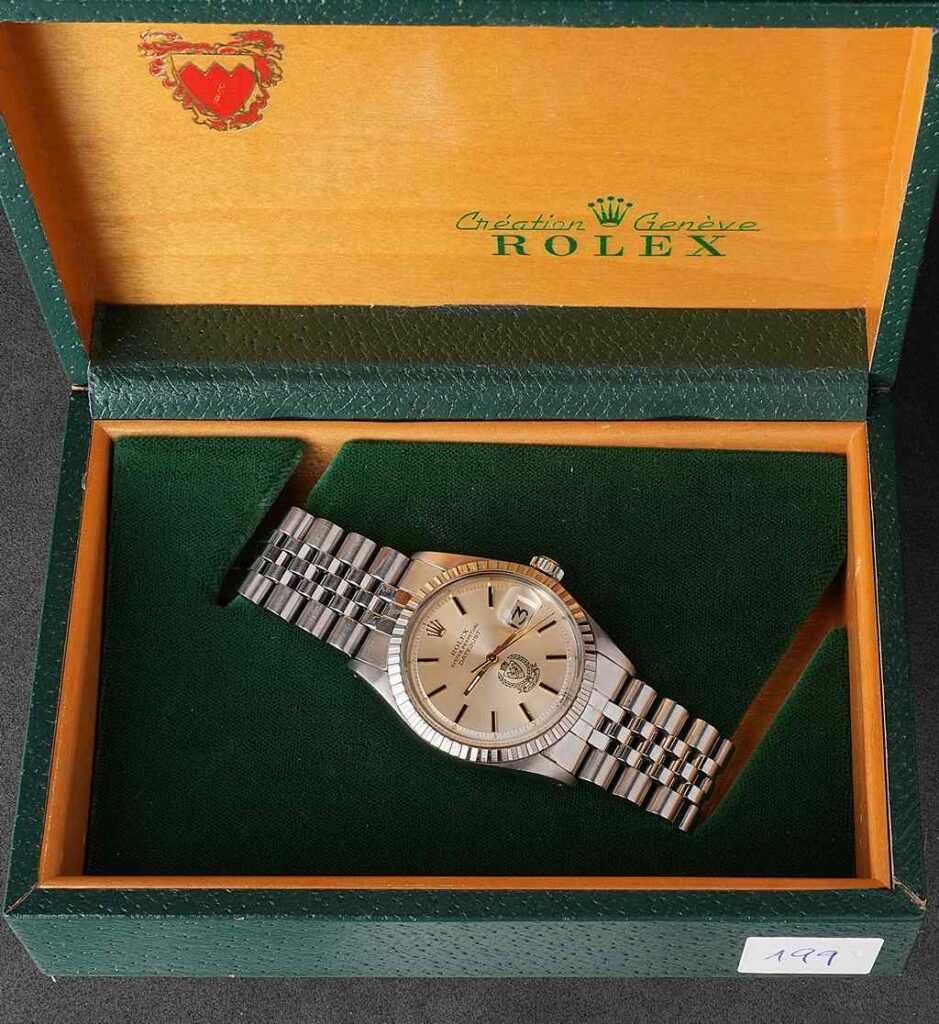
Condition also plays a major role. Watches with original dials, sharp case lines, and matching components command premiums. Meanwhile, over polished or modified examples often trade at significant discounts.
Finally, vintage Rolex pieces offer historical identity. Unlike modern mass production, earlier references reflect specific eras in design and watchmaking philosophy. For many collectors, this authenticity adds long-term appeal.
Although prices can fluctuate in the short term, carefully selected examples continue to demonstrate strong stability. For buyers seeking heritage and tangible value, the vintage segment remains highly relevant in 2026.
I personally help collectors source specific vintage and rare watches.
Send me your request and I’ll get in touch with you directly.

Our business is built on your trust. We guarantee all our timepiece are authentic and as described / pictured or you will receive a full refund.
We guarantee the functionality of our watches. Please refer to the guarantee period stated in each product description. All guarantees are subject to the General Terms and Conditions (GTC)
Excluded from the warranty for defects are the accuracy, waterproof / water resistance, wear of the wristband and general wear and tear, scratches on the wristband or case, and damage to the glass / crystal.
CHRONOSCOPE is not liable for defects to the products caused by improper handling by the buyer or any third parties, as well as for general wear and tear.
The warranty for defects is null and void if the customer or a third-party attempt to repair the products themselves, unless prior specific written agreements have been made with CHRONOSCOPE
The compensation for the violation of contractual obligations by CHRONOSCOPE is limited to the amount paid by the buyer.
Due to the nature of vintage timepieces, all watches are sold as is. We will accurately describe the current condition and working order of all watches we sell to the best of our ability. Given that vintage watches are antique collector items, we do not provide any guarantee on movement accuracy, water-proofing or any other mechanical guarantee unless it is mentioned in the product description.
We check all watches when listing the watch for sales, and again before shipping. In rare cases, shipping can cause the movement problems. Therfore, please check all functions of the watch upon receipt. Should you find any issues, please notifiy us by email without dealy.
In the unlikely case you should not be satisfied with the watch you receive, contact us and we will work towards finding a solution.
We always looking for interesting vintage and contemporary watches and offer fair values. Please send us some pictures & a discription of what you have, and we will be glad to come back to you with an offer.
If you buy a watch from us, we can also offer a trade-in option.
Swiss Vintage Chronographs, for example Omega, Longines, Breitling, Heuer, Leonidas, Angelus, Excelsior Park, Zenith, Wakmann, Wittnauer but also other lesser known Swiss brands.
Swiss Vintage Watches: for example dives watches of various brands, but also dress watches in steel or gold
Contemporary Swiss Watches such as Rolex, Tudor, Omega, Zenith etc.
Quartz watches only from Rolex, Tudor, Omega, Patek Philippe, Audemars Piquet, IWC Vacheron Constatin and other High-End Swiss brands
Digital watches, only from Omega, Girard Perregaux and a few other High-End Swiss Brands
Ladies watches
Pocket watches
Japanese watches (not that they are not good, but i dont have much knowledge there)
Quartz & watches
We need pictures and a brief description of the watches that you intend to sell
Your price expectation, if you already have any
Send us your information by email to info@chrono-scope.ch
We will be on summer holiday from July 22 to August 12. During this period, our availability will be limited and responses may take longer than usual.
Thank you for your understanding!
Wir garantieren die Echtheit und die Funktion der Uhr *
Sollte die Uhr nicht wie beschrieben und abgebildet sein, haben Sie das Recht, sie an uns zurückzusenden und wir erstatten Ihnen den vollen Betrag zurück *.
Wir bieten sichere Transaktion und Versand begrenzt auf den Betrag vom Käufer bezahlt.
* Bitte beachten Sie die Garantie- und Rückgabebedingungen sowie die Allgemeinen Geschäftsbedingungen.